
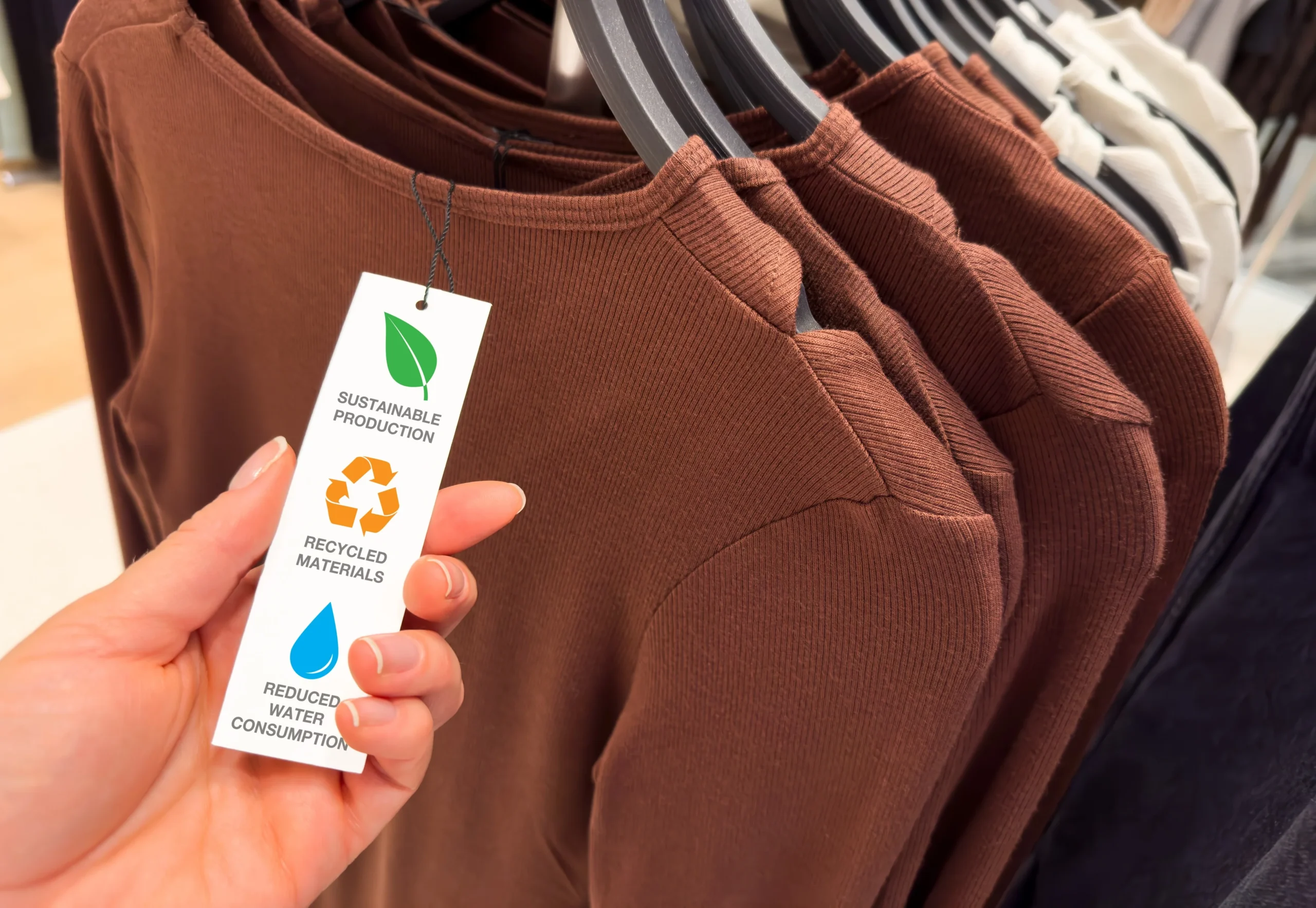
What Makes Knitted Garments Sustainable?
Knitted garments are known for their versatility, comfort, and style, but beyond their aesthetic appeal, they also hold significant potential in terms of sustainability. Unlike traditional woven fabrics, knitting allows for more efficient use of materials, which can help reduce waste during production. Moreover, knitted fabrics tend to be more durable and long-lasting, which means they have a lower environmental impact over their lifespan compared to fast fashion alternatives.
1. Eco-Friendly Materials
The foundation of sustainability in knitted garments lies in the materials used. Natural fibers, such as organic cotton, bamboo, hemp, and wool, are biodegradable and have a much smaller carbon footprint than synthetic alternatives like polyester or nylon. Many sustainable brands are now opting for eco-friendly yarns that are either recycled or produced with minimal chemicals, ensuring a cleaner production process. Additionally, innovations like recycled wool or cotton blends are gaining popularity, making it possible to create beautiful knitted garments without compromising on quality.
2. Energy and Water Efficiency in Production
Knitting is a more energy-efficient manufacturing process compared to other fabric production techniques. It typically requires less water and energy, making it a more sustainable choice for garment production. By focusing on energy-efficient knitting machines and water-saving dyeing processes, manufacturers can significantly reduce their environmental impact. Sustainable knitted garments are often produced in factories that adhere to green certifications and sustainable practices, further contributing to the reduction of the fashion industry’s carbon footprint.
3. Durability and Longevity
One of the key benefits of knitted garments is their durability. Knitted fabrics are typically more stretchable and resilient than woven textiles, meaning they hold up better over time. As a result, garments made from knitted fabrics can last longer and are less likely to contribute to the growing issue of textile waste. By investing in high-quality, well-made knitted garments, consumers can reduce the frequency of replacements, contributing to a more sustainable and circular fashion system.
4. Reduction of Textile Waste
Textile waste is one of the major environmental challenges faced by the fashion industry. Many fast fashion brands produce low-quality garments that are designed to wear out quickly, resulting in massive amounts of discarded clothing. Sustainable knitted garments, on the other hand, are often made from zero-waste knitting techniques that minimize fabric off-cuts. Moreover, many sustainable brands are incorporating upcycling and recycling initiatives into their production processes, further reducing waste.
5. Support for Ethical Labor Practices
Sustainability in knitted garments also extends to the people behind the products. Many eco-conscious brands prioritize fair wages, safe working conditions, and ethical labor practices. By choosing sustainable knitted garments, consumers are not only supporting environmentally responsible companies but also promoting ethical manufacturing practices that benefit workers and communities around the world.
6. Circular Fashion: Recycling and Repurposing
Circular fashion is an essential aspect of the sustainability movement, and knitted garments are a perfect fit for this concept. Through initiatives such as garment recycling, repurposing old knitwear, or offering take-back schemes, brands are contributing to a circular economy where materials are reused and regenerated. Some brands are even experimenting with fully biodegradable yarns, ensuring that garments can be returned to the earth at the end of their life cycle, reducing landfill waste.
7. Consumer Responsibility
Consumers play a crucial role in promoting sustainability in knitted garments. By choosing high-quality, eco-friendly options and caring for their garments properly, individuals can extend the life of their knitted clothing. Simple practices, such as washing clothes in cold water, air drying, and repairing rather than replacing, can significantly reduce a garment’s environmental impact. Additionally, supporting brands that prioritize sustainability can further accelerate the demand for eco-conscious practices within the fashion industry.
8. The Future of Knitted Garments
As sustainability continues to gain importance, knitted garments are expected to evolve with more innovative, eco-friendly technologies and materials. The future of knitted fashion lies in the hands of designers, manufacturers, and consumers who are committed to creating a circular and sustainable fashion ecosystem. With the rise of 3D knitting technology, it is possible to create garments with minimal waste and maximum efficiency, paving the way for even more sustainable and personalized clothing options.